
Oil & Gas
This is a best prospect industry sector for this country
The petroleum sector has experienced significant growth, particularly since the discovery of oil in commercial quantities in the Jubilee fields in 2007. Average crude oil production capacity has been declining slightly over time, with an average 176,000 barrels per day in September 2021.
Upstream activities in the Ghanaian petroleum sector include the procurement and refining of crude oil by the nation’s only petroleum refinery, Tema Oil Refinery (TOR).
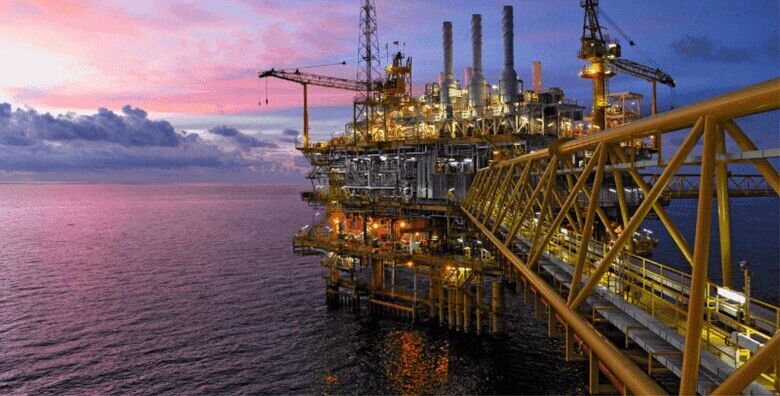
Downstream activities include the marketing and distribution of petroleum products by Oil Marketing Companies (OMCs) and the pre-mixing of petroleum products for other industrial uses. OMCs operating in Ghana are mainly multinationals; however, the last decade has seen an increase in the establishment of several small and medium-sized local OMCs.
The prices of petroleum products are regulated by an independent board. The nation consumes significant volumes of petroleum products, which are mainly imported. The petroleum products produced in Ghana are mainly exported.
Opportunities
- • Two offshore oil blocks are reserved for the GNPC, which will likely seek partnership with independent oil companies to support exploration and production.
- • Ghana’s oil sector needs technical training for local companies.
- • Ghana lacks storage facilities for its gas products.
Ghana’s Ministry of Energy, as part of its announcement of investment projects for the next three years, highlighted the following opportunities:
- • In addition to providing equipment and services directly to the exploration and production companies, training programs to increase the capacity of Ghanaian firms to provide these services are likely to be highly successful.
- • The development of farm-ins or deals where a company, not at present a licensee on a particular licensed area, can acquire an interest from one of the existing licensees.
- • Development of infrastructure in the natural gas sector in projects such as the Western Corridor Gas Infrastructure Development Project (WCGIDP).
- • The government has provided land and basic infrastructure such as roads, water, and electricity, but requires private sector participation to develop a facility within the Petroleum Hub Development Authority.
- • The government will establish three refineries with a 300,000 Barrels per stream day (BPSD) capacity.
- • Tank farms to be constructed for storage of crude and other refined products.
- • Construction of two or more jetties with multiple berths.
- • Five petrochemical plants to be constructed to produce fertilizer such as ammonia and urea. There is a strong need in the market for the development of down shore production of fertilizer.
- • Ghana remains highly import dependent on imports of fertilizer and has not developed its gas resources for domestic production, although it has announced plans such as these to explore this.
LFF Group of companies a leading company in Ghana that is resource to assist and support international private partners to explore in this sector.
There is a need for oil and gas service firms that can partner with local Ghanaian companies to support the offshore activities of the international oil companies.
Domestic Ghanaian companies do not have the ability to provide a broad range of services despite local content requirements. Joint venture firms with foreign partners contributing technology and know-how to a partnership with a reliable local company are highly sought after.
In addition to providing equipment and services directly to the exploration and production companies, training programs to improve the capacity of Ghanaian firms to provide these services are likely to be valued.